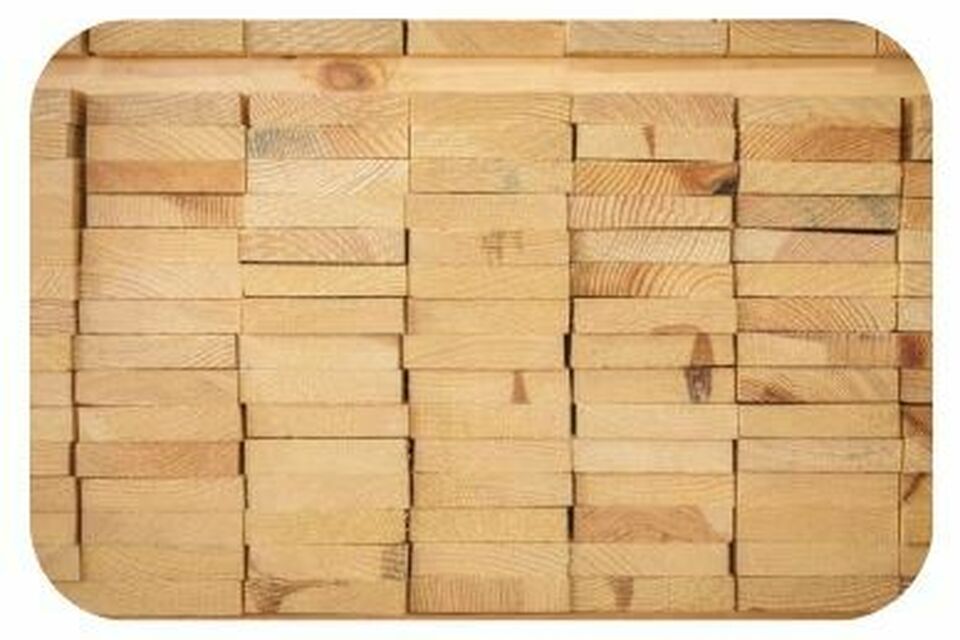
November was a quiet month for sales, as a general malaise continued to loom over the industry while industry meetings and holidays disrupted normal routines. A lukewarm demand coupled with an ample supply has been keeping prices flat and stable, and painfully unprofitable for many Canadian suppliers since the implementation of the Section 232 tariff and adjustments to the Softwood Lumber Act duties. A collective 45.19% has been in place now for over a month, and the Canadian lumber producers are feeling the pain of it. Despite recent strategies to tighten supply and drive prices up, desperation was beginning to settle in on them as they have been reportedly selling at levels that have been unsustainable for too long. Many have proclaimed that not only will they extend their shutdowns throughout the holidays but are also contemplating withdrawal from the U. S. market and rescinding contract deals for 2026. Despite this news, little reaction came from American dealers, who may be taking this too lightly. Eventually the market will change and, much like the ant and the grasshopper in Aesop’s fable, buyers should be concerned when and if a “winter” comes for the lumber market and spend this valuable time seeking potential alternatives. In the meantime, the housing market continues to accumulate a growing number of used homes that are going unsold for longer periods than we’ve seen in recent years, and consumer spending is becoming increasingly conservative. Prices appear to keep adjusting downward on new and used homes but, luckily, we are in a market that has continued to show good activity this season. Sights are currently set on what the first quarter of 2026 will bring and although most in the industry remain optimistic, they acknowledge that plans need to be flexible, not only for the economic condition but also for what Mother Nature may be throwing our way. Prices typically rise until the mills come back online in the New Year, and we anticipate this year to be no different. For December, we anticipate that pricing will be flat but climb by months’ end.
“Affordable housing” is typically used in the context of the purchase price of a home but, as most experienced homeowners know, there is so much more to consider: initial expenses (closing costs, inspections, insurances, realtor fees, movers and more) cut deep into budgets long before the dreaded first mortgage payment is due. No less important is the affordability of the house, after closing. Expenses that come from settling in often cost much more than anticipated, as furniture, appliances, decorating and general updating don’t come cheap. When the other inherently volatile but necessary expenses (utilities, taxes, maintenance, and insurance) come rolling in, it can become exceedingly difficult to keep the budget in check. The expenses go on and on and any experienced homeowner knows that there is no end: paint that first wall and by the time that you make it around the house, it’s time to repaint that same wall again. An underlying key that is understated but critical to new homeowners on a budget is to buy a well-built home, and one that has been well-maintained. Having a home inspection is critical: forgoing this important checkpoint in the homebuying process is like committing hara-kiri to your bank account and debt levels if, God forbid, something is discovered that must be corrected, after the purchase. Knowing that products were installed correctly and not hiding some disaster for later discovery makes the inspection worth every cent. Products, on the other hand, are another challenge, in and of themselves. Many are designed under “planned obsolescence” (the policy of making consumer goods that expire quickly), which forces you into replacing them sooner than anticipated, often putting you back at the sales counter to order it again in a few years. For a new homeowner, this becomes an even bigger threat to their “affordability” of a home, especially if they intend to start a family and need to save for their future. Keeping this in mind, we are believers in quality, the type of quality that will perform as it should for decades to come. Quality products are sound investments in our opinion, as they circumvent the planned obsolescence scheme. How they tie into the affordability of a home is a complicated matter, but we know that using the cheapest product often spells trouble in the long run, as there is always something that is attributed to the cost difference and it always points to a shortcoming in performance, appearance or functionality. Paying a little more for the products that are better quality than their peers and perform superbly in our harsh climate (such as Premium SPF lumber, CCX Fir plywood, Typar house-wrap, Andersen windows and doors, Multi-Cedre white cedar shingles, Certainteed roofing and Madison Pressure Treated wood, among others) ensures that not only will you get long-lasting use of the product, but the inherent value of the house is preserved. It’s important to us that we supply our contractors with building materials that are time-tested and allow Cape Cod homeowners to enjoy living a Cape Cod lifestyle rather than worrying about budget-busting home repairs. Afterall, the homes that we supply and build today are meant to last many lifetimes, which undoubtedly points to the benefit of our children and grandchildren. “Building the brand” means to create a unique identity and image for a business, one that particularly appeals to the consumer for the value and prestige of the product. What better legacy to leave than to have future generations desire to buy a home that was built by you and supplied by Shepley?
We hope that, when a home needs work for whatever reason, that the components supplied by Shepley are admired for how well they stood the test of time. We often come across remodeling jobs in which a Shepley label is affixed to a door or window jamb, which gives us an indication of the “vintage.” We reflect upon those years with pride and know that, over all this time, that we have only improved upon our standards of quality. “Lo barato sale caro” is a Spanish saying that means that “the cheap comes out expensive.” Be wary of alternatives based on price. We stand behind the long-lasting performance of the products that we sell and are dedicated to that like no other supplier on Cape Cod. During this time of year, when we make a concerted effort to think of the past, present and future, we hope you consider Shepley for your projects in 2026, so that we can build a legacy of fine homes that are affordable in the long run, together. Thank you for your past, present and future business and wish you all a happy, healthy, and prosperous New Year!